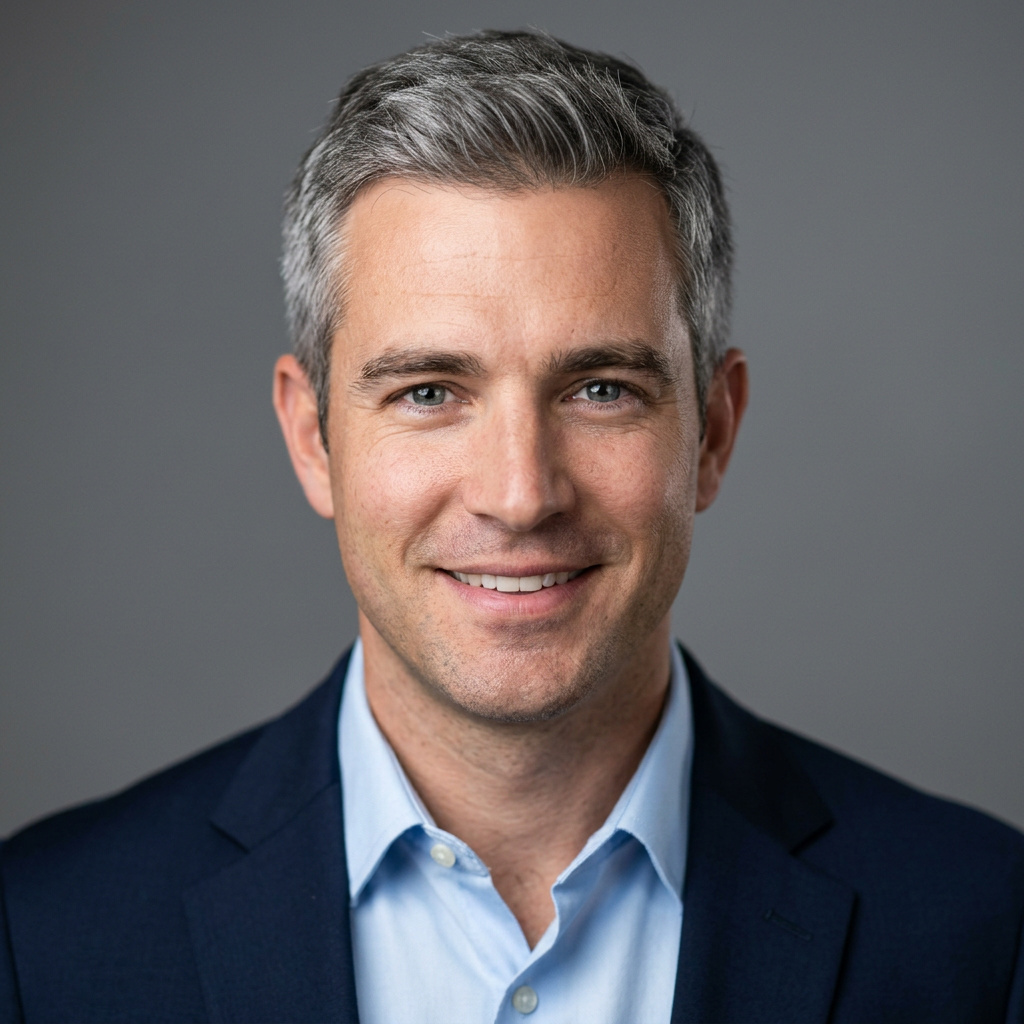
Shane Gillis SNL – From Fired Cast Member to Host
Shane Gillis and SNL: From Fired Cast Member to Host
In September 2019, comedian Shane Gillis was hired and then fired from Saturday Night Live within the span of a single week. The rapid reversal came after resurfaced podcast clips from 2018 containing offensive language went viral. Nearly five years later, in February 2024, Gillis returned to Studio 8H—this time as a host, marking what many observers called an unprecedented trajectory in the long history of the iconic sketch comedy show. (Telecommunications)
The controversy that surrounded Gillis highlighted the ongoing tensions between comedic boundary-pushing and contemporary standards of acceptable speech. It also underscored the permanence—or lack thereof—of public accountability in the age of viral backlash and social media scrutiny. Gillis’s subsequent career trajectory, built largely outside traditional television, eventually led him back to the same institution that severed ties with him in 2019.
This article examines the circumstances of Gillis’s firing, the public response to both the 2019 incident and his 2024 hosting appearance, and the broader questions his story raises about comedy, cancel culture, and professional redemption.
Why was Shane Gillis fired from SNL?
Shane Gillis was hired as a featured player on SNL’s Season 45 cast, announced on September 12, 2019, alongside Bowen Yang (the first Asian-American cast member) and Chloe Fineman. Within days, past podcast recordings began circulating online, leading to swift consequences.
What did Shane Gillis say on the podcast?
Gillis co-hosts Matt and Shane’s Secret Podcast with Matt McCusker. A three-minute clip from a 2018 episode discussing the origins of Chinatown went viral following his SNL hiring announcement. In it, Gillis used a racial slur for Asians, mocked Chinese cuisine, accents, and English language abilities. The clip also contained homophobic remarks.
The timing of the controversy proved particularly pointed. Gillis had been hired alongside Bowen Yang, making him part of a cohort meant to expand the show’s diversity. Some online commentary attempted to create a narrative of opposition between the two cast members, though Yang himself remained publicly silent on the matter. Gillis later stated that much of the reported controversy between them was “invented.”
Official statements and initial reaction
On September 16, 2019, SNL announced Gillis’s termination. A spokesperson for Lorne Michaels stated: “We hired Shane on the strength of his talent as a comedian and his impressive audition for SNL. We were not aware of his prior remarks. The language he used is offensive, hurtful and unacceptable. We are sorry that we did not see these clips earlier, and that our vetting process was not up to our standard.”
Gillis responded on social media, saying: “I’m a comedian who pushes boundaries. I sometimes miss. I’m happy to apologize to anyone who’s actually offended.” He added that he understood the decision and respected it, noting that his SNL audition had demonstrated his talent. According to reporting from Salon, Gillis later described podcasts as spaces where comedians “talk s**t” without necessarily meaning it, emphasizing what he characterized as boundary-pushing comedy.
Key insights from the controversy
- The 2024 hosting invitation represented an unprecedented “redemption arc” in SNL history for a fired cast member.
- The controversy centered on resurfaced content, not jokes made on the SNL stage itself.
- Public and critical reception to his 2024 hosting was notably mixed, highlighting persistent divides in comedy and cancel culture.
- The incident underscored the modern challenge of reconciling past edgy comedic personas with present-day sensibilities for public figures.
- Gillis never performed as a cast member before being fired—he never appeared in any SNL sketches.
- The timing of the controversy, coinciding with Yang’s historic hiring, intensified public scrutiny.
The Shane Gillis SNL Case: Snapshot
| Category | Details |
|---|---|
| Person | Shane Gillis |
| Role | Comedian (fired SNL cast member, returned as host) |
| SNL Cast Status | Hired: September 2019 | Fired: September 2019 (days later) |
| SNL Host Status | Hosted Episode: Season 49, Episode 14 (February 24, 2024) |
| Controversy Trigger | Resurfaced 2018 podcast episodes containing racial and homophobic slurs |
| Official SNL Stance (2019) | Language was “offensive, hurtful and unacceptable” |
| Gillis’s Stance (2019) | Apologized, stated he was “a comedian who pushes boundaries” |
Gillis was fired for past podcast content recorded before his SNL hiring. He never appeared in any SNL episode as a cast member. His 2024 hosting marked his first appearance on the SNL stage in any capacity.
How did Shane Gillis do as an SNL host in 2024?
On February 4, 2024, SNL announced that Gillis would host the February 24 episode, alongside musical guest 21 Savage. The announcement surprised many observers, given the circumstances of his 2019 departure. The episode aired during Black History Month, a timing that some critics noted added to the controversy.
The February 24, 2024 monologue
Gillis opened the episode with a monologue that directly addressed his past. His primary line: “Please, don’t Google that.” The remark acknowledged the elephant in the room while attempting to deflect with self-deprecating humor. Reviews of the monologue were largely negative, with critics characterizing it among the worst opening monologues in the show’s recent history.
Critical reception, as documented by The New York Times, focused on both the content of his jokes and broader questions about whether someone with his past statements should have been invited to host. Some reviewers labeled him “racist and unfunny,” while others acknowledged the difficulty of the position he was in.
Public reaction on social media
Instagram comments on SNL’s posts about the episode revealed deep division. Criticism included statements such as: “SNL invites a guy who got fired for racist Asian jokes… JFC Lorne, WTF?” Others pointed to Bowen Yang’s presence on the cast as making the hosting invitation particularly tone-deaf.
Supporters, meanwhile, celebrated what they characterized as a comeback story. The polarized response reflected broader cultural divides around accountability, forgiveness, and the boundaries of acceptable comedy.
Critical and audience reception
Reviews of the 2024 episode focused on several key themes. The monologue received particular attention for its direct address of the controversy. Some outlets noted that the show’s sketches during the episode attempted to thread the needle between acknowledging the controversy and moving forward. As reported by Deadline, the episode’s ratings performance became another point of discussion, though comprehensive viewership data was not extensively detailed in initial reports.
Despite the mixed reviews, Gillis’s hosting appearance reflected his significant career growth since 2019. His YouTube channel Gilly and Keeves, created with Matt McCusker, has accumulated nearly 1 million subscribers, and his Netflix special “Beautiful Dogs” and acquired sitcom “Tires” demonstrated mainstream success achieved outside traditional comedy show structures.
Timeline: From SNL hire to firing to host
The trajectory from cast member to host spans nearly five years and includes several distinct phases:
- 2018: Gillis records podcasts containing controversial language that would later resurface.
- September 12, 2019: Announced as a new featured player on SNL’s Season 45 cast.
- September 13–15, 2019: Past podcast clips circulate online, sparking immediate backlash.
- September 16, 2019: NBC and SNL announce Gillis’s termination, issuing a statement on the language.
- 2019–2024: Gillis continues comedy career via podcasting, stand-up tours, and digital content, building a substantial independent fanbase.
- February 2024: Announced as host of SNL (Season 49, Episode 14).
- February 24, 2024: Gillis hosts SNL, addressing the firing in his monologue. The episode receives mixed reviews.
According to Gillis’s own account on Joe Rogan’s podcast (JRE #1685), the pressure from the controversy “steamrolled” without dissipating, leading to his firing the day before the public announcement. He described it as one of the first major “cancellations,” noting he went from relative anonymity to immediate fallout based on a brief audio clip.
What the evidence shows: Certainty versus uncertainty
Several aspects of the Shane Gillis and SNL story are well-documented, while others remain subject to interpretation or lack public confirmation.
| Established information | Information that remains unclear |
|---|---|
| Shane Gillis was officially hired by SNL in September 2019. | The exact internal deliberations at NBC that led to the 2024 hosting invitation remain undocumented. |
| He was fired days later, before appearing in any episode as a cast member. | Whether SNL’s decision to invite Gillis back constitutes an implicit acknowledgment that the 2019 firing was excessive. |
| The firing was directly linked to resurfacing podcast audio containing racial and homophobic slurs. | The precise role of social media pressure versus internal NBC decision-making in the 2019 firing timeline. |
| NBC and SNL issued an official statement calling the language “offensive, hurtful and unacceptable.” | Whether Gillis has made private amends or changes that influenced the 2024 invitation. |
| Gillis hosted SNL on February 24, 2024. | Long-term ratings and cultural impact of the 2024 hosting appearance. |
Rumor suggested Gillis was fired for jokes made on SNL. In fact, he was terminated for past podcast content recorded before his hiring, and he never performed on the SNL stage as a cast member. Pour en savoir plus sur les billets pour la comédie musicale Death Becomes Her, consultez Billets pour Death Becomes Her.
The broader context: Comedy, accountability, and second chances
The Shane Gillis case offers insight into several contemporary cultural dynamics. The incident emerged during a period of heightened sensitivity around racism and homophobia, particularly directed at Asian communities, and coincided with broader debates about “cancel culture” and the accountability of public figures.
Gillis’s perspective, as expressed on various platforms, positioned him as a victim of what he characterized as an overreaching reaction to comedic content recorded in a private setting. He noted that podcasts serve as spaces where comedians experiment with material that may not reflect their genuine beliefs. In a 2020 interview with The New York Times, he explained his decision to remain largely silent in the immediate aftermath to avoid manufactured conflict.
The career trajectory that followed the firing demonstrated how comedian success can be built outside traditional television structures. His independent projects, including his Netflix content and podcasting endeavors, accumulated substantial audiences. Some observers noted this success as evidence that traditional gatekeepers like SNL had diminished power over comedic careers in the streaming era.
Official sources and key statements
The following statements represent the official documented positions on the controversy:
“After talking with Shane Gillis, we have decided that he will not be joining Saturday Night Live. We want SNL to have a variety of voices and points of view within the show, and we hired Shane on the strength of his talent as a comedian and his impressive audition for SNL. The language he used is offensive, hurtful and unacceptable. We are sorry that we did not see these clips earlier, and that our vetting process was not up to our standard.”
— NBC/SNL Statement (September 2019), as reported by Variety
“I’m a comedian who was funny enough to get SNL. That can’t be taken away. Of course I wanted an opportunity to prove myself at SNL, but I understand it would be too much of a distraction. I respect the decision they made. I’m honestly grateful for the opportunity. I was always a Mad TV guy anyway.”
— Shane Gillis Statement (September 2019)
Summary
Shane Gillis’s relationship with Saturday Night Live remains one of the more remarkable trajectories in the show’s 50-year history. From being hired and fired within a week in September 2019, to returning as host in February 2024, his story encapsulates ongoing tensions in comedy culture regarding language, accountability, and the possibility of professional redemption. The mixed critical reception to his hosting suggested that while individual careers can recover from controversy, broader public opinion remains divided on what constitutes forgiveness versus forgetfulness in the entertainment industry.
For more background on related cultural debates around comedy and public accountability, see our analysis of broader trends in the entertainment industry.
Frequently Asked Questions
What is Shane Gillis’s net worth?
Estimates of Gillis’s net worth vary, but his wealth primarily stems from stand-up tours, podcasting, and merchandise sales following his SNL notoriety. Exact figures are not publicly confirmed.
What happened to Shane Gillis after SNL before hosting?
He focused on his podcast “Matt and Shane’s Secret Podcast,” which grew significantly in popularity, and continued performing sold-out stand-up comedy tours, building a dedicated fanbase separate from mainstream television.
Was Shane Gillis ever actually on SNL as a cast member?
No. Gillis was hired and fired within days in September 2019 before ever appearing in any SNL episode. His February 2024 hosting marked his first time performing on the SNL stage.
What did Bowen Yang say about Shane Gillis?
Yang did not make public statements about Gillis in the immediate aftermath of the controversy. Some social media commentary attempted to create a narrative of opposition between the two cast members, but Gillis later stated that much of this reported conflict was “invented.”
How did the public react to Gillis’s 2024 SNL hosting?
Reactions were sharply divided. Supporters celebrated what they viewed as a comeback story, while critics pointed to his past statements—particularly those directed at Asian communities—as making the invitation inappropriate, especially given Yang’s presence on the cast.
Did Lorne Michaels personally comment on the 2024 hosting invitation?
No direct 2024 statement from Lorne Michaels or NBC regarding the hosting invitation was documented in available sources. The 2019 firing was announced through Michaels’s spokesperson, emphasizing a vetting failure.
What was the critical reception to Gillis’s 2024 monologue?
Reviews of the monologue were predominantly negative, with critics characterizing it as among the weaker opening segments in recent SNL history. Some labeled it both unfunny and inappropriate given the circumstances.
Plus d articles lies
 Cours Euro Dollar EUR/USD : Direct, Graphique, Prévisions 2026
 Bertrand Blier : biographie, films, cause de la mort et compagnes
 Recette Carbonade Flamande Authentique et Facile
 Pyramide de Khéops : Histoire, Dimensions et Secrets
 Code promo Decathlon mai 2026 : comment obtenir une réduction ?
 Bryan Johnson : fortune, âge biologique, routine, diagnostic
 Lila Salet : biographie, films, immobilier et actualité (2025)
 Alan Ritchson : Taille, Carrière, Santé et Vie Privée (2024)